Northern coast lighthouses, held in memory and still lighting the shoreline story.

Archive photographs, keeper stories, and preserved towers in one calm coastal reference.

Welcome to a living record of navigation beacons, working lives, and weathered landmarks that shaped the northern coast.

  • Archive photographs
  • Keeper stories
  • Preserved towers

Coast chronology

A short frame for how northern coast lights shaped the shoreline story

From isolated beacons to restored landmarks, these moments offer a quick orientation before you explore the archive in depth.

  1. 1824 — First coastal beacon commission

    Local mariners petitioned for fixed shoreline lights after repeated fog-season groundings.

  2. 1868 — Lens and keeper-house expansion

    New Fresnel optics and year-round keeper quarters improved visibility and station continuity.

  3. 1937 — Radio signals join light guidance

    Combined light-and-wireless protocols reduced winter navigation delays along exposed headlands.

  4. 1998 — Preservation trust era begins

    Regional volunteers and historians formalized restoration standards for surviving tower sites.

Keeper narratives

Lives kept in weather and light

Three field notes from the northern coast archives, tracing routine, resolve, and the quiet judgment that guided ships through night fog.

Lead story · Winter watch

1912–1931
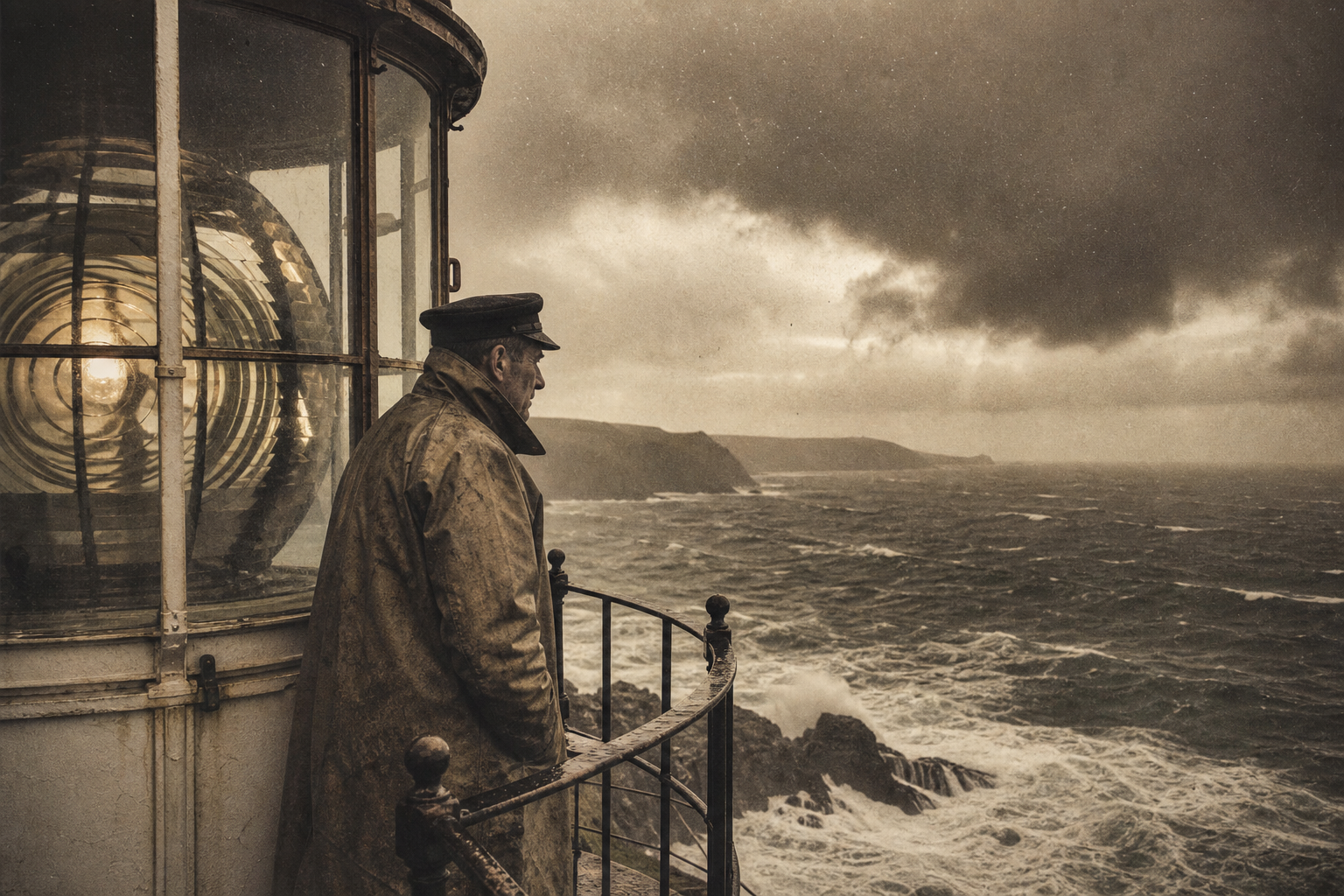
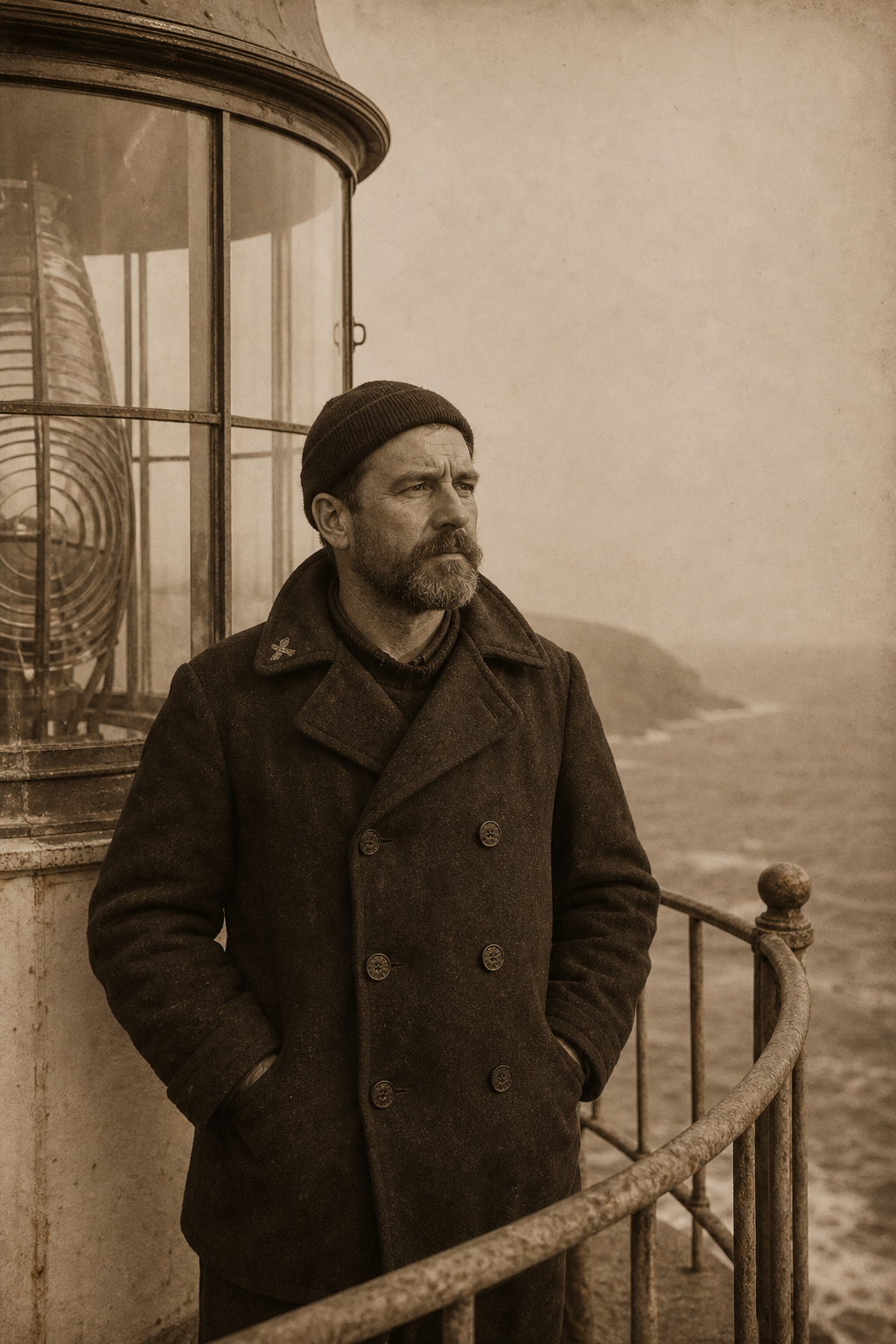
Sepia archival portrait of keeper Elias Rowan in a heavy wool coat beside a lighthouse lantern room railing
Elias Rowan, North Head logbook room, c. 1924.

Elias Rowan, North Head Station

Rowan was known for checking the prism glass by touch before dawn, even in sleet. During the January gale of 1927, his handwritten margin note—“lamp steady, sea not”—became one of the archive’s most quoted lines.

Supporting story

1898–1916
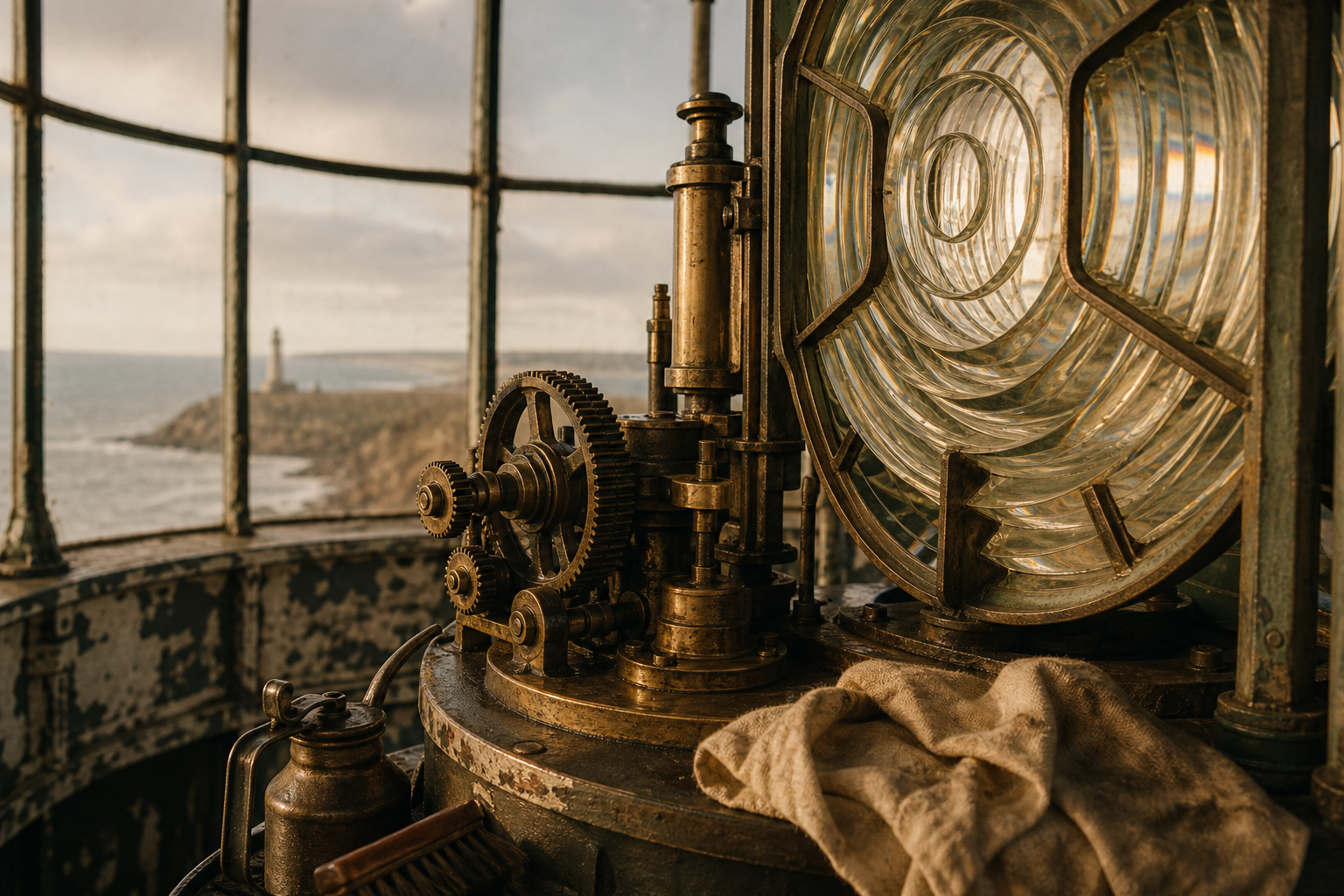
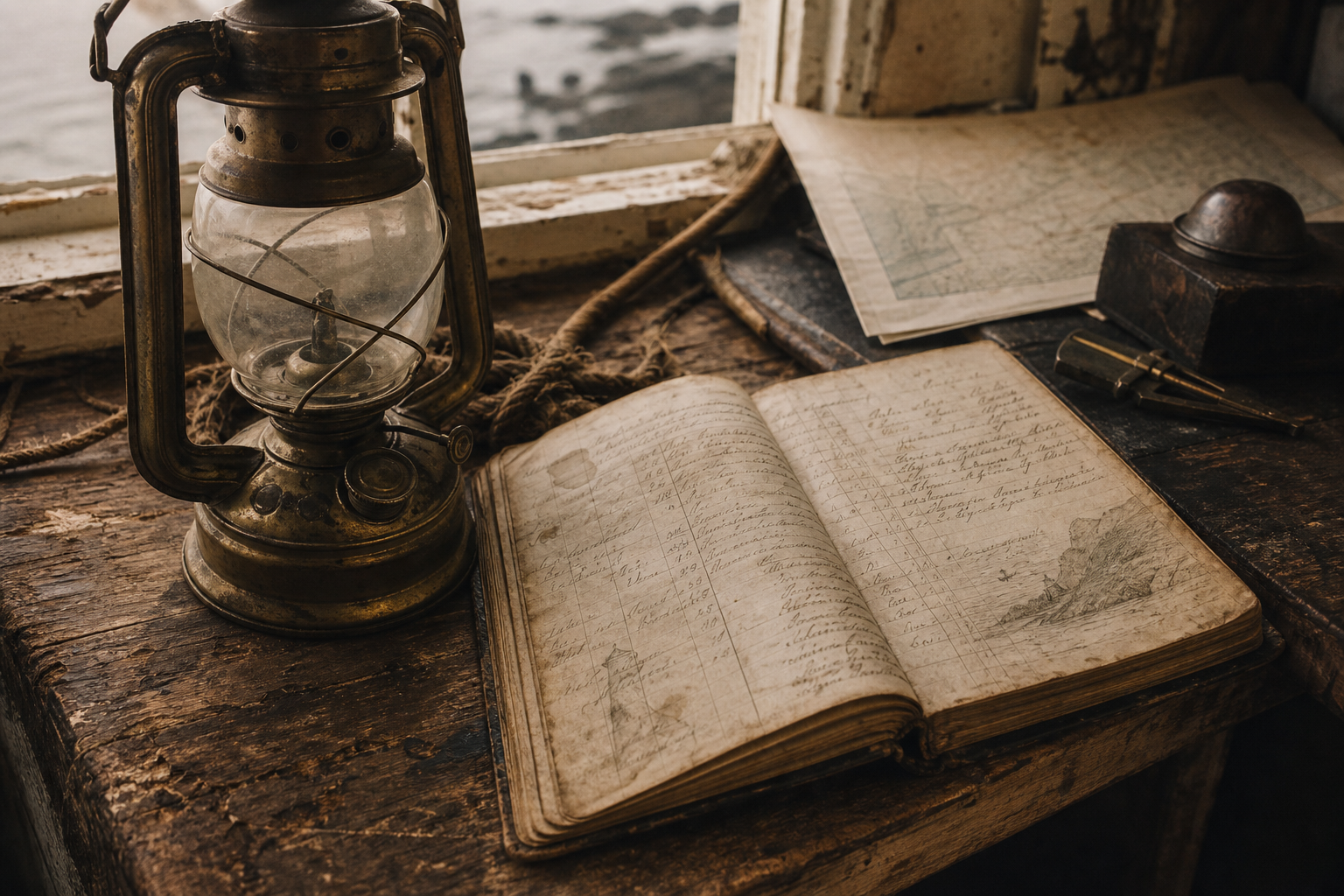
Archival still life of a brass oil lantern beside a weather-stained logbook on a wooden keeper desk
Desk register from the western outpost quarters.

Mara Finn, Western Outpost

Finn timed each wick trim to the noon bell and left concise weather sketches in the margins. Her entries helped later crews decode recurring fog corridors along the reef edge.

Supporting story

1934–1950
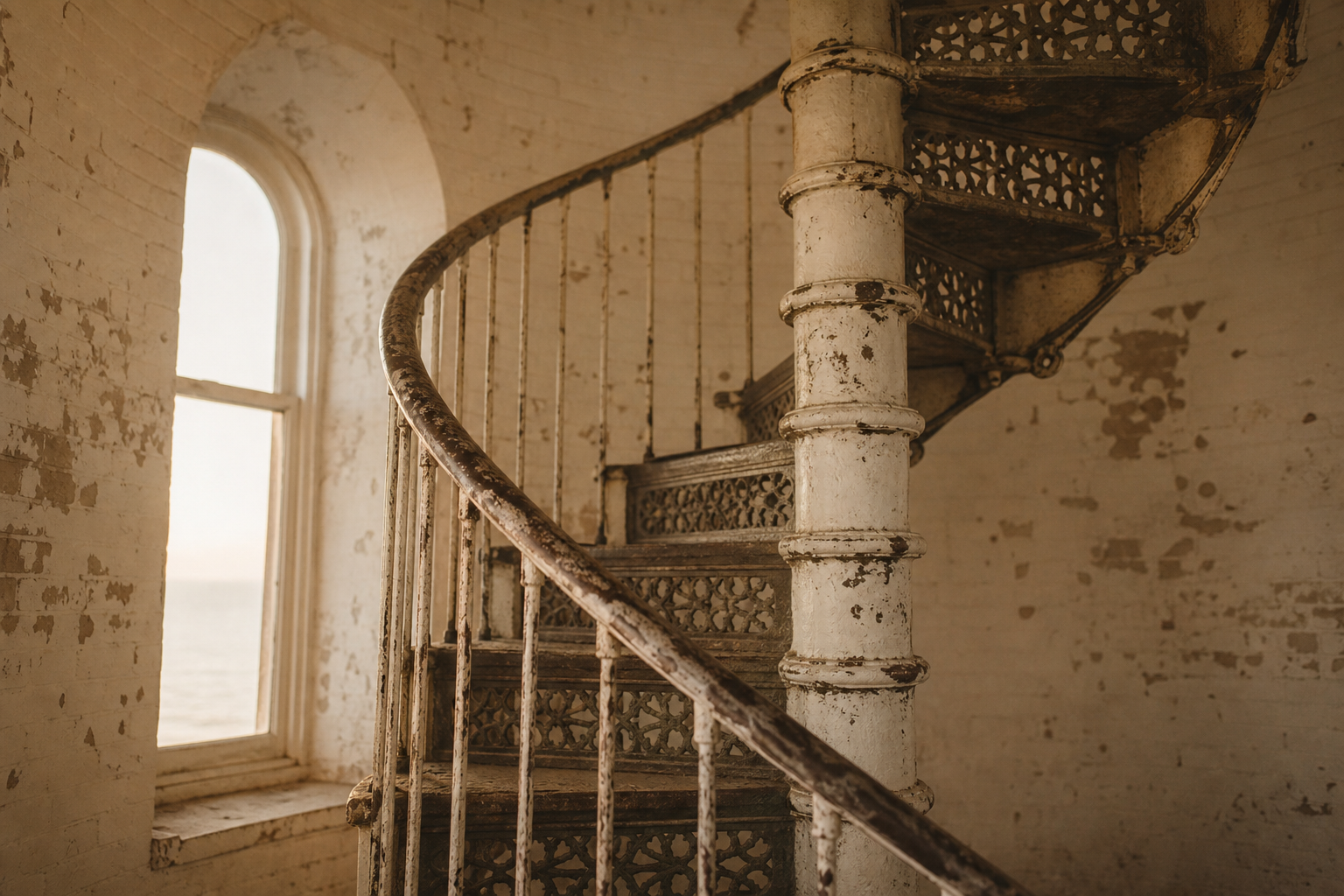
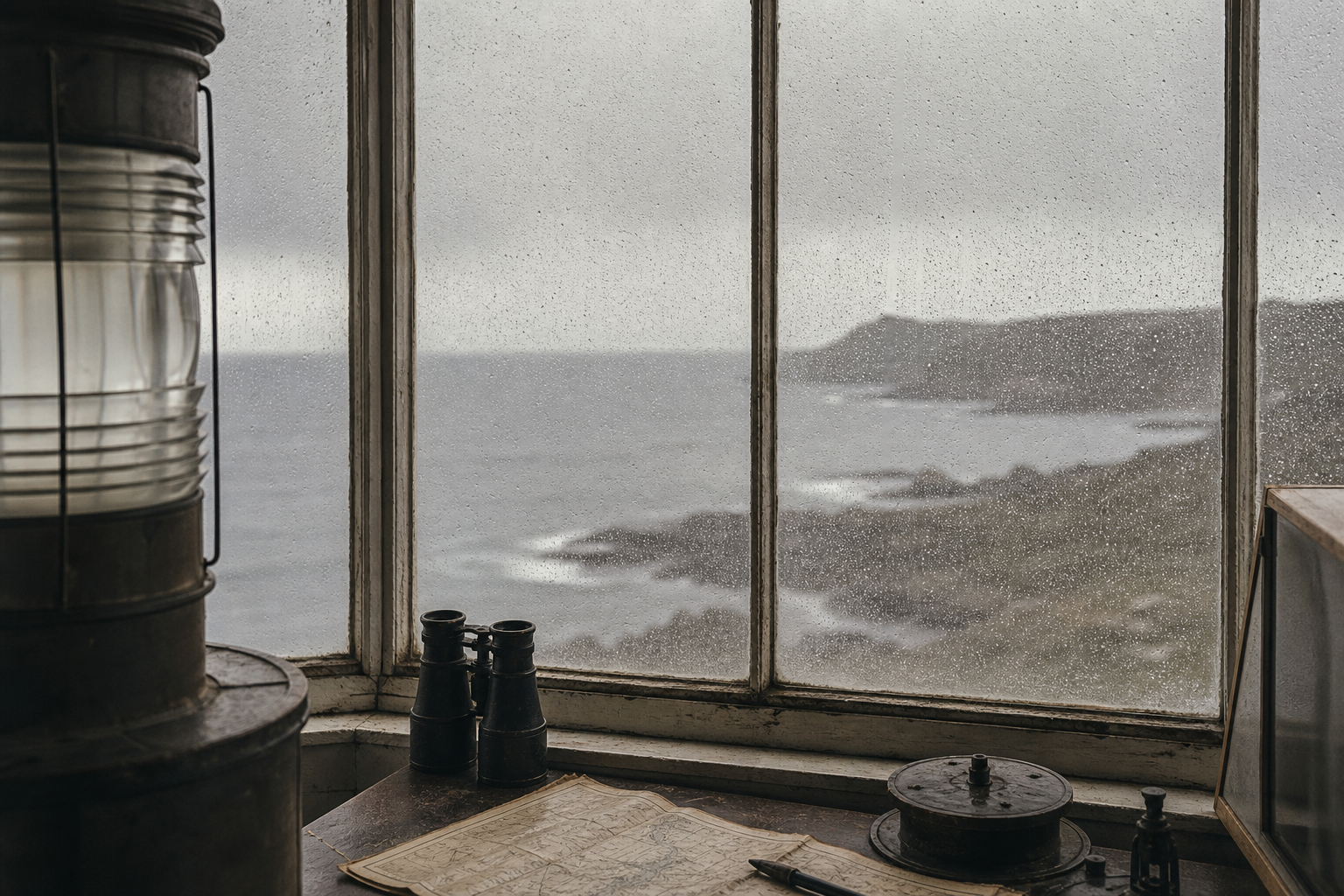
Muted archival interior showing rain-beaded watchroom window panes overlooking a rocky northern shoreline
Night watch window, East Bluff station gallery.

Jonas Pell, East Bluff Light

Pell kept a kettle warm through storm duty and marked passing vessels by horn tone, not by sight. His notes from blackout years remain among the clearest records of altered coastal routes.

Next reference focus: preserved towers and coastal positions below

Frequently asked questions

A quick reference for preservation, access, archives, and how these lighthouse records are maintained.

Why are some towers preserved while others are not?

Preservation usually depends on structural condition, historical designation, public safety, and funding. Towers with documented heritage value and feasible restoration plans are more likely to be stabilized and maintained.

Can visitors enter every lighthouse site?

No. Some locations are open seasonally, some only during guided events, and others remain closed for conservation or safety reasons. Access notes are updated per site when local stewards publish changes.

How were the archive photographs sourced?

Images come from regional archives, lighthouse societies, family collections, and licensed photographer submissions. Each published photograph is reviewed for date context, location accuracy, and rights clearance before inclusion.

What does coastal weather mean for long-term preservation?

Salt air, high winds, freeze-thaw cycles, and storm surge accelerate wear on masonry, ironwork, and lantern rooms. Preservation plans prioritize drainage, protective coatings, and regular inspections to slow weather-related damage.

How are lighthouse keeper stories documented?

Stories are assembled from keeper logs, port authority records, oral histories, and local newspapers. Entries are cross-checked where possible, with uncertain details clearly marked to preserve historical integrity.